Industry blog
Global Shipping Market Update 2026: Rising Freight Rates, Space Shortages & Port Congestion
Global Shipping Market Update: Rising Freight Rates, Space Shortages & Shipping Cost Increase & Port Congestion (2026)
As a global exporter, we are currently facing a highly volatile shipping environment. Ocean freight rates on major European and US routes continue to rise, while container space availability remains extremely tight. Booking shipments early has become a necessary strategy rather than an option.
Overall Market Situation
Why Is There a Freight Cost Increase in 2026?
Since June, the global shipping market has entered a phase of rising demand and constrained capacity. Freight rates across Asia–Europe and Asia–US routes have increased steadily due to multiple factors:
-
Early peak-season inventory buildup
-
Ongoing geopolitical tensions and route detours
-
Higher fuel costs driven by blocked straits and elevated oil prices
-
Reduced effective vessel capacity due to longer sailing routes
Freight Rate Trends: Continuous Upward Pressure
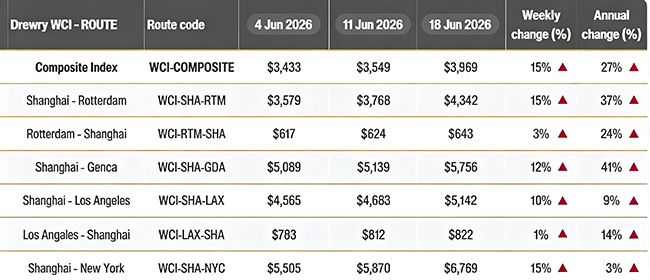
Current average freight rates from Shanghai to major destinations:
-
Europe Route: $4,432 / 40HC
-
Mediterranean: $5,756 / 40HC
-
US West Coast: $5,142 / 40HC
-
US East Coast: $6,769 / 40HC
Among all shipping routes, the US East Coast still costs the most. That’s all because of serious port congestion and longer transit times. Freight rates on some routes keep going up almost every day, which makes it really tricky for exporters to plan and control their logistics costs.
Port Congestion & Global Route Pressure
Lately, global ports have been struggling to keep up with operations. Cargo volumes are piling up, and various disruptions keep happening, making port efficiency drop little by little.
For major ports in Europe and the US, ships are now staying at anchor for an average of 3.36 days. Rotterdam sits at 2.87 days, while Los Angeles faces a much longer waiting time of 5.54 days. It’s mostly caused by crowded terminals, insufficient equipment and frequent changes to ship schedules.
It’s not just Western ports. Emerging markets in Africa, India, and Southeast Asia are running into the same troubles too. In some areas, cargo delays can even last more than seven days, which really affects the overall stability of global logistics.
Market Anomalies: Unstable Demand Patterns
The shipping market has changed a lot lately. Those fixed seasonal patterns don’t really hold up anymore. We can’t count on regular, predictable shipping cycles like before. These days, market demand is mainly affected by all sorts of outside events instead. such as:
-
Major global sports events (e.g., FIFA World Cup logistics surge)
-
E-commerce peaks (Amazon Prime Day shipping demand)
-
Early inventory stocking strategies from retailers
This shift means logistics demand has become event-driven rather than season-driven, increasing uncertainty in space allocation and pricing.
Shipping Solutions & Risk Mitigation Strategies
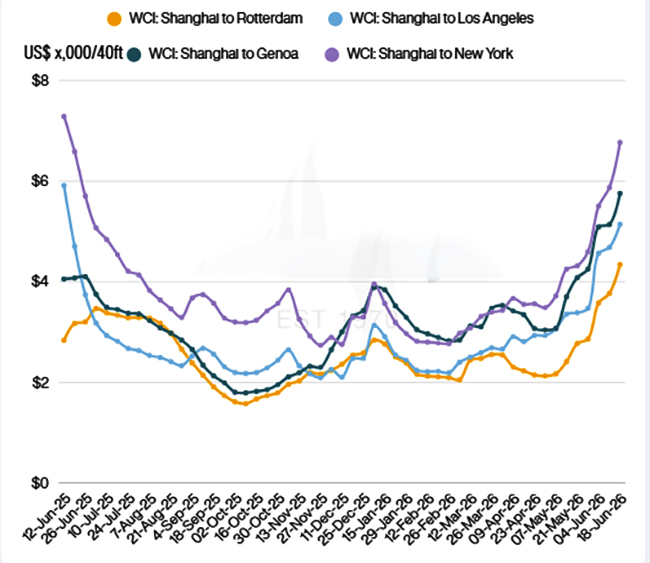
The freight cost increase has become one of the biggest challenges for global manufacturers.Many exporters are adjusting procurement plans due to the ongoing freight cost increase.The market has become quite unpredictable these days. For us exporters, it’s better to take a more proactive approach to logistics management. This helps us keep our operations steady and better manage shipping costs.
1. Advance Booking Strategy
It is strongly recommended to book shipments 2–4 weeks earlier than usual. Early booking improves space security and reduces the risk of last-minute rate surges or rollovers.
2. Shift from Spot Rates to Contract Planning
Instead of relying fully on spot rates, businesses should:
-
Negotiate annual or quarterly freight contracts.
-
Lock in stable capacity with key carriers.
-
Reduce exposure to short-term price volatility.
Request a freight rate quotation → We will reply within 24 hours
3. Multi-Route Flexibility
To reduce congestion risk, consider:
-
Diversifying between West Coast and East Coast US routes
-
Using alternative transshipment hubs when needed
-
Evaluating Mediterranean routing for Europe-bound cargo
4. Inventory Buffer Strategy
Given longer transit times and port delays:
-
Maintain safety stock for key SKUs
-
Adjust production schedules earlier.
-
Align inventory planning with shipping delays.
5. Partner with Stable Freight Forwarders
Working with experienced logistics partners can help:
-
Secure space during peak congestion
-
Gain priority allocation from carriers.
-
Improve shipment reliability during unstable periods.
Conclusion
For us exporters, we can’t just rely on price competition anymore. Instead, proactive planning, flexible routing arrangements, and reliable logistics partnerships are becoming the key to steady business operations.
If you are currently planning shipments from Asia to Europe or the US, contact us before booking. We can help you:
- Secure stable container space
- Reduce freight cost volatility
- Improve delivery reliability
Get your latest freight rate & shipping plan today → Contact our logistics team