Insulation nail
Cup Head Weld Pins vs. Duct Liner Weld Pins: Key Differences
Cup Head Weld Pins vs. Duct Liner Weld Pins: Key Differences
Cup head weld pins and duct liner weld pins are commonly used to secure insulation materials to sheet metal in heating, ventilation, and air conditioning (HVAC) systems. Although these terms are sometimes used interchangeably, they describe different aspects of an insulation fastening product.
A cup head weld pin is generally identified by its head design, while a duct liner weld pin is named for its application. Understanding the difference helps HVAC contractors, duct fabricators, insulation distributors, and purchasing managers select suitable fasteners for their projects.
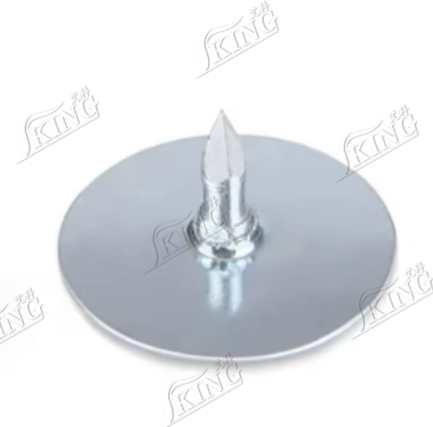
What Are Duct Liner Weld Pins?
Duct liner weld pins are fasteners used to secure internal insulation inside HVAC ductwork. They help hold fiberglass, mineral wool, and other suitable insulation materials in position, reducing the risk of sagging or movement during service.
Depending on the fastening system, duct liner weld pins may have different head designs and retaining components. Common configurations include plain weld pins used with separate retaining washers and pre-assembled pins with integrated heads.
Common Applications
- Commercial HVAC ductwork
- Industrial ventilation systems
- Sheet metal duct fabrication
- Thermal and acoustic insulation inside air ducts
What Are Cup Head Weld Pins?
Cup head weld pins are insulation fasteners featuring a cup-shaped metal head designed to help retain insulation against a metal surface. The head provides a broader contact area than a plain pin shank and can help hold insulation securely when the fastener is correctly selected for the application.
Cup head weld pins are commonly used in HVAC duct insulation and other sheet metal insulation applications. Depending on the product design, they may be installed using a compatible capacitor discharge (CD) pin welding system.
In a typical CD welding process, the pin is positioned against a suitable conductive substrate and welded using a brief electrical discharge. Correct equipment settings, compatible fasteners, and appropriate surface conditions are important for achieving consistent welds.
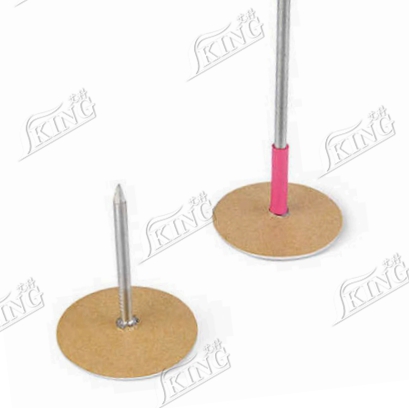
Key Features of Cup Head Weld Pins
Integrated Design
Combines the pin and cup-shaped head in one assembly, where applicable.
Efficient Installation
Can simplify fastening by reducing the need to install a separate retaining washer.
Flexible Options
Multiple material and coating options available depending on manufacturer specifications.
Before ordering, confirm the pin diameter, overall length, head diameter, material, coating, and compatibility with the intended welding equipment.
Cup Head Weld Pins vs. Duct Liner Weld Pins
The main difference is that cup head weld pin describes a fastener design, whereas duct liner weld pin describes its intended use.
| Feature | Cup Head Weld Pins | Duct Liner Weld Pins |
|---|---|---|
| Definition | Describes the head design | Describes the insulation fastening application |
| Head configuration | Features a cup-shaped head | May use different head designs |
| Retaining method | Cup-shaped head helps retain insulation | May use an integrated head or separate retaining washer |
| Typical application | HVAC and sheet metal insulation | Internal HVAC duct insulation |
| Installation method | Depends on the specific product and system | Depends on the selected fastener and system |
| Equipment compatibility | Must match the specified welding equipment | Must match the selected fastening method |
Important: These categories overlap. A cup head weld pin used to secure insulation inside an HVAC duct can also be described as a duct liner weld pin. Product drawings and technical specifications are more reliable than product names alone when confirming compatibility.
5 Factors to Consider When Choosing Duct Insulation Pins
Choosing the right insulation pins involves more than matching the pin length. The fastener must be suitable for the insulation, substrate, installation equipment, and service environment.
1. Insulation Type and Thickness
Identify the insulation material, such as fiberglass, mineral wool, or another suitable duct liner. Select a pin length that accommodates the insulation thickness and the required retaining arrangement.
The pin should secure the insulation without excessive compression that could affect its performance.
2. Sheet Metal Material
Confirm whether the duct is made from galvanized steel, mild steel, stainless steel, or another material. The substrate affects weldability, while the fastener material and coating influence corrosion resistance.
For demanding environments, confirm material compatibility with your supplier before ordering.
3. Head Design and Retaining Washer
Consider whether a cup head pin or a conventional pin with a separate retaining washer better suits your installation process.
An integrated design may simplify handling, while a separate washer system may offer flexibility for projects using established installation procedures.
4. CD Pin Welder Compatibility
If you use a capacitor discharge pin welder, confirm that the fastener is designed for the selected welding process and compatible with the welding gun and chuck.
Check the pin diameter, tip design, gun accessories, and equipment specifications to prevent inconsistent welds or excessive wear.
5. Facing Materials and Electrical Considerations
Some insulation products feature foil facings, films, or other surface layers. These materials can affect positioning and installation.
Confirm the manufacturer's recommended fastening procedure, particularly when working with foil-faced insulation or applications where electrical isolation is required. Do not assume that a special sleeve or insulated component is necessary unless the application specifications call for it.
Do You Need a Dedicated CD Pin Welder?
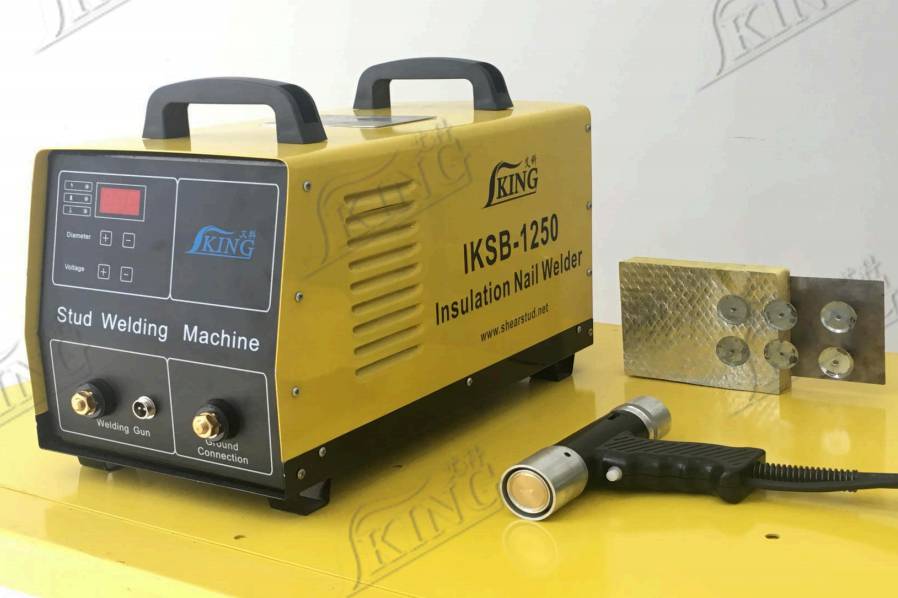
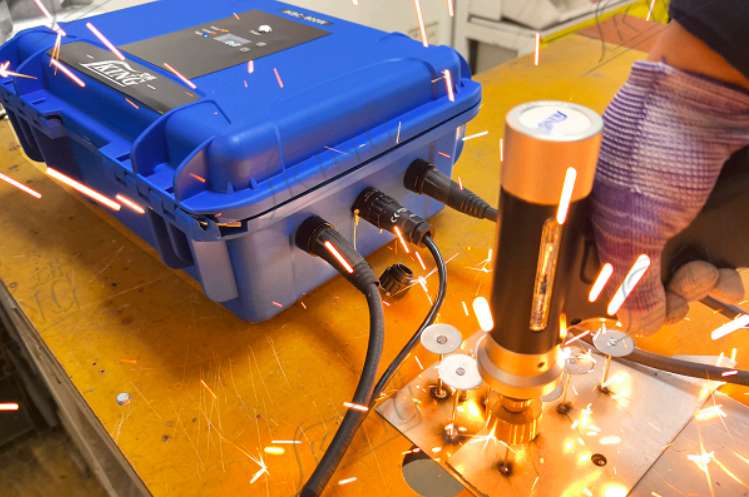
For duct fabrication shops that install large quantities of insulation pins, a compatible capacitor discharge (CD) pin welding system can support efficient installation and consistent fastening when properly configured.
Before purchasing a machine, evaluate the complete system:
The welding machine and fasteners should be evaluated together rather than purchased as unrelated products. Appropriate setup and process verification help reduce installation problems and improve consistency.
Source Insulation Fasteners and CD Pin Welders from IKING
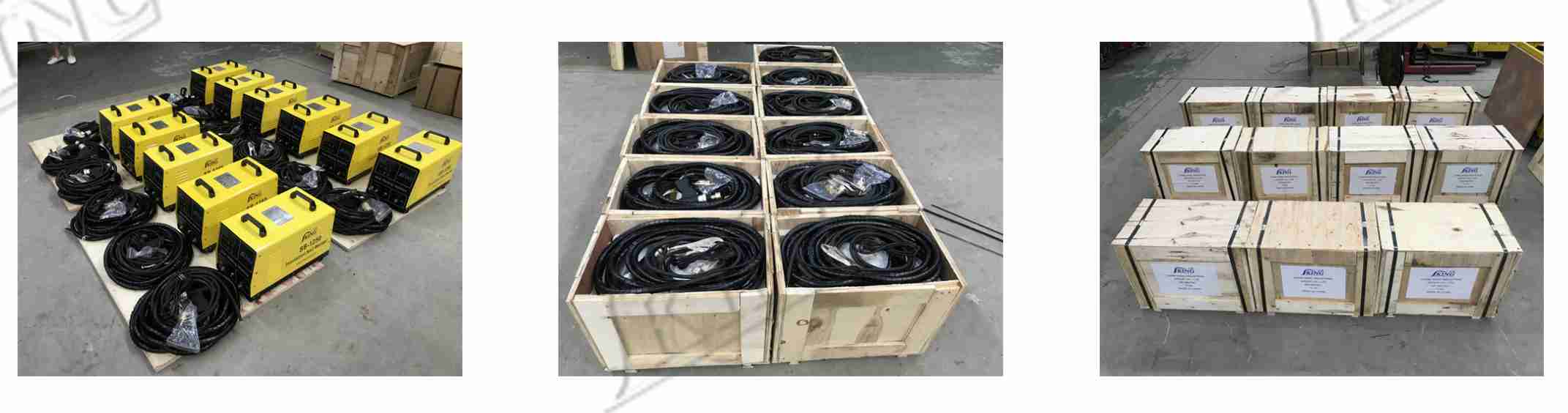
IKING supplies industrial welding equipment and fastening products, including insulation pins, cup head weld pins, compatible welding equipment, and related accessories for suitable applications.
For HVAC contractors, duct fabricators, insulation distributors, and industrial buyers, sourcing compatible fasteners and equipment from one supplier can simplify product selection and purchasing coordination. Our team can help review your application requirements and identify suitable products based on the available specifications.
Request a Quote for Insulation Pins
To help us recommend the right fastening solution, please provide:
- Pin type: Cup head weld pin or another insulation pin design
- Dimensions: Pin diameter, length, and head diameter
- Insulation: Material and thickness
- Substrate: Duct material and thickness
- Quantity: Estimated order quantity
- Equipment: Existing pin welder model, if applicable
Contact IKING to discuss insulation fasteners, CD pin welding equipment, and compatible accessories for your next HVAC or industrial insulation project.
Looking for the right insulation fastening system? Share your specifications with IKING for product recommendations and a quotation.
Get Your Custom Solution