PRODUCT
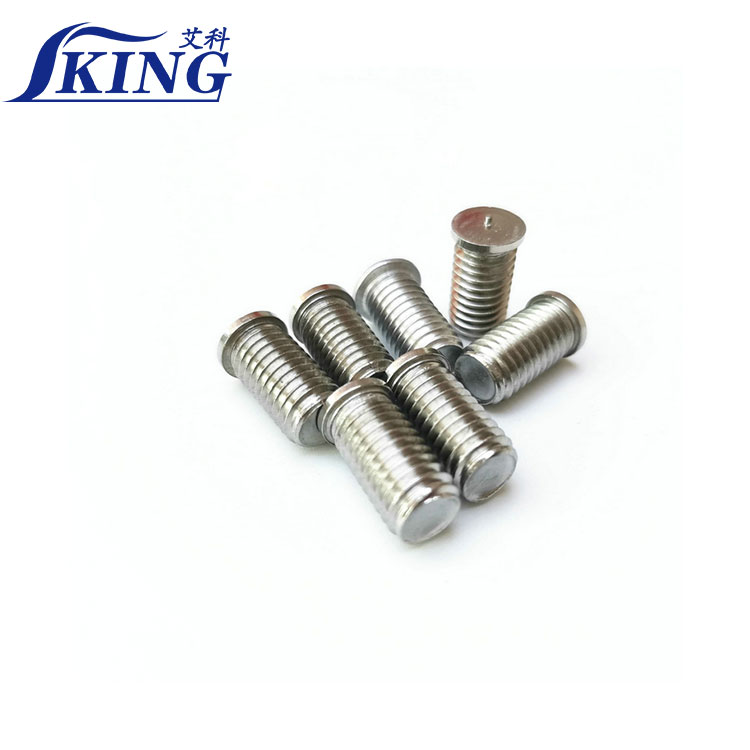
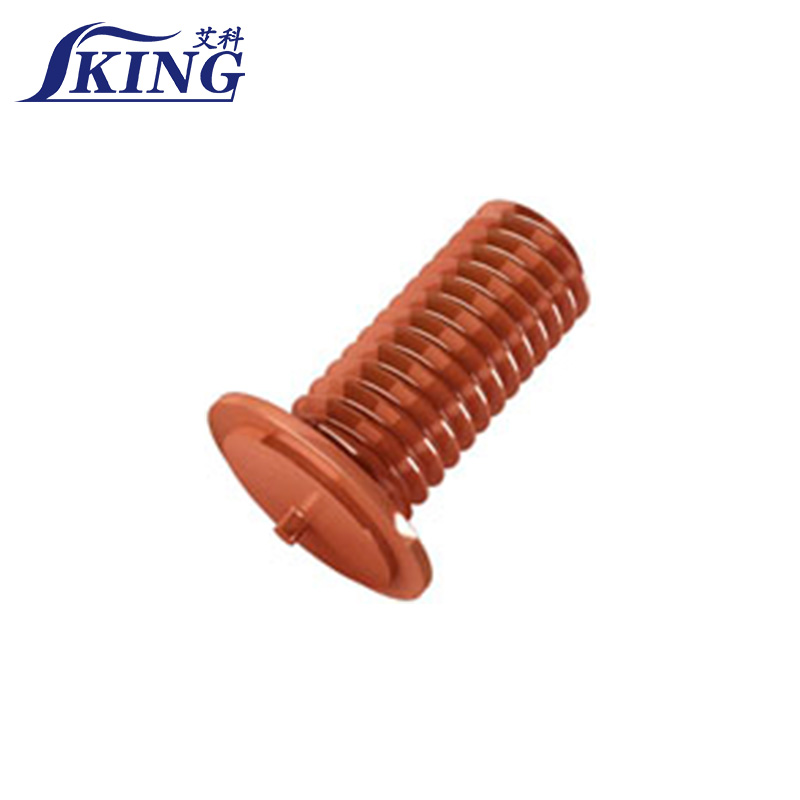
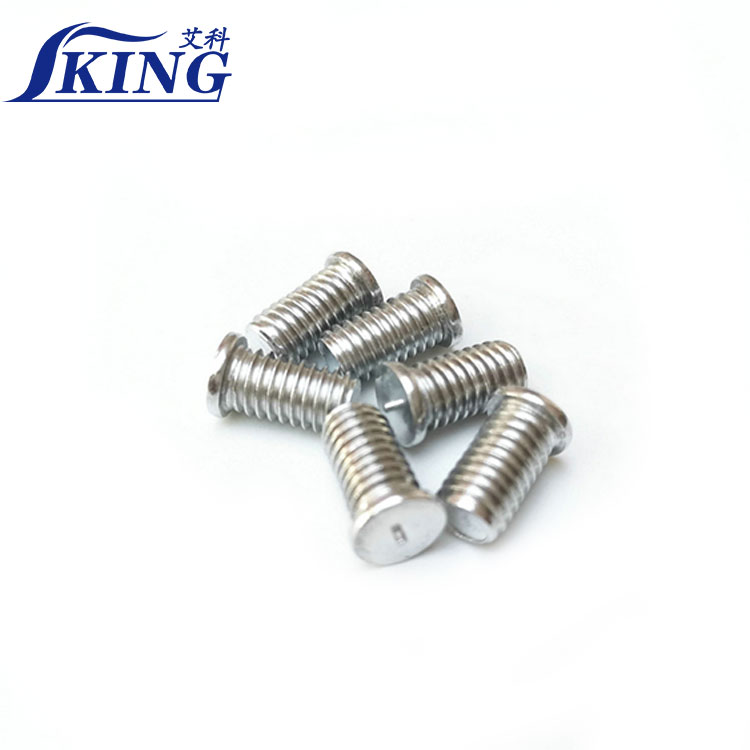
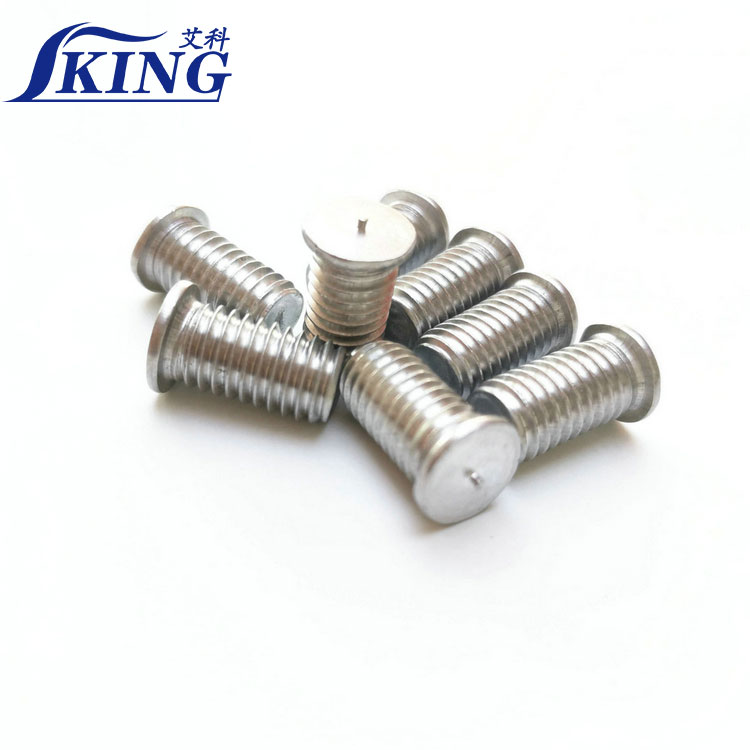
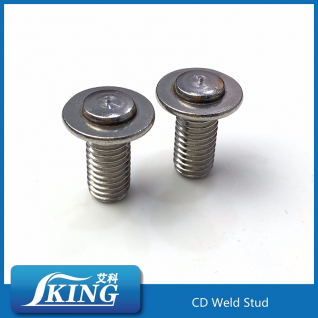
IKING Grounding Capacitors Discharge studs
Reliable Grounding Solutions for Electrical and Industrial Applications
Technical Specifications
|
||||||||||||
|
|
d1 x l |
d3 |
||||||||||
|
M 6 x 16 mm |
11,5 mm |
|||||||||||
|
M 8 x 20 mm |
16,0 mm |
|||||||||||


Product Advantages
Faster Installation Than Mechanical Fasteners
Traditional grounding methods often require drilling, tapping, or additional hardware. Grounding weld studs simplifies the installation process and reduces labor requirements.
Stable Electrical Connection
A direct welded connection improves conductivity and minimizes contact resistance.
Reduced Material Damage
The capacitor discharge process limits thermal distortion and helps preserve the appearance of finished surfaces.
Suitable for Automated Production
These studs can be integrated into automated manufacturing lines for consistent installation quality.
Real Project Experience
A manufacturer of electrical control cabinets was experiencing grounding inconsistencies caused by traditional bolted connections. Frequent vibration during transportation occasionally loosened the grounding hardware, resulting in additional maintenance work.
After switching to CD earth studs, the company established a permanent welded grounding point on each cabinet enclosure. Installation time was reduced, and the grounding connection remained stable throughout shipping and field operation.
The engineering manager noted:
“The welded grounding point eliminated several assembly steps and gave us greater confidence in long-term electrical performance.”
Installation Process
-
Clean the welding surface and remove contaminants.
-
Insert the stud into the CD welding gun.
-
Position the stud at the grounding location.
-
Activate the welding cycle.
-
Verify weld quality and electrical continuity.
The entire welding process is completed within milliseconds.
Common Grounding Challenges
1. Loose Mechanical Connections
Bolted grounding points may loosen over time due to vibration and repeated service conditions.
2. Inconsistent Conductivity
Poor contact surfaces can increase resistance and reduce grounding effectiveness.
3. Time-Consuming Assembly
Mechanical grounding solutions often require multiple components and additional labor.
Using grounding capacitor discharge studs helps eliminate these issues through a permanent welded connection.
FAQ
What are grounding capacitor discharge studs used for?
Grounding capacitor discharge studs are used to create permanent grounding points on metal surfaces for electrical bonding and earthing applications.
What are CD earth studs?
CD earth studs are grounding studs installed with capacitor discharge welding technology, providing a secure, conductive connection.
Can we fit capacitor discharge grounding studs onto thin sheet metal?
Absolutely. CD welding puts out very little heat, so it works great for thin sheet stock.
Do you supply stainless steel electrical grounding studs?
Sure. We carry both carbon steel and stainless steel options to match different onsite usage needs.
What tools do buyers need to mount these studs?
A compatible capacitor discharge stud welding machine and welding gun are required.
How do grounding weld studs improve reliability?
Grounding weld studs create a permanent welded connection that helps prevent loosening and maintains consistent electrical conductivity over time.
Looking for custom dimensions, cost quotes, or technical guidance tailored to your project? Get in touch with our team, and we’ll sort out suitable grounding stud options for your needs. Drop your enquiry over, and expect our reply within one business day.